How to Turn IoT Signals into Maintenance Priorities Without Noise
Maintenance already lives with noise. IoT should shrink uncertainty, not add a parallel alarm culture where every fresh trend becomes an emergency.
Run signals through a triage ladder
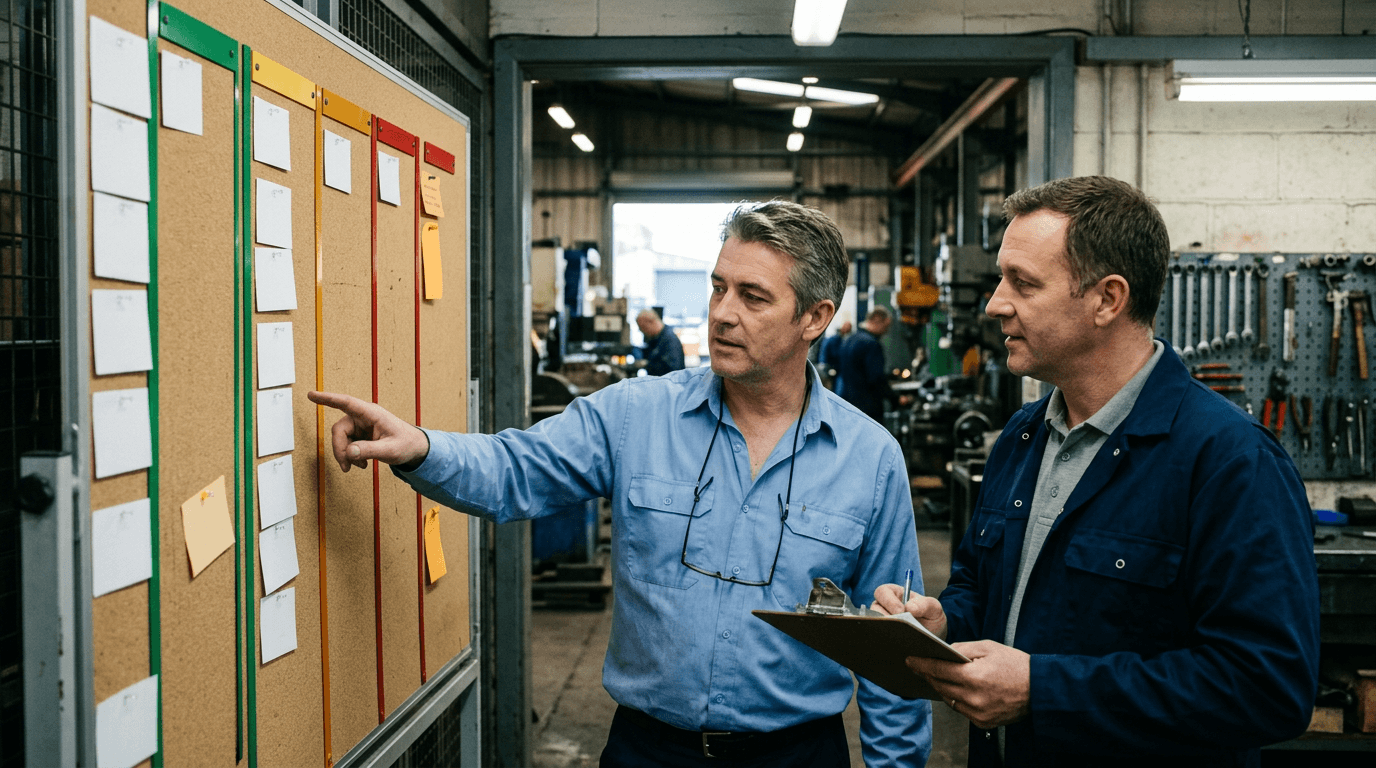
Start by logging and baselining until variance is understood for that asset, product, and season. Promote to a watchlist when a trend repeats across shifts with corroboration. Create a scheduled work candidate when risk crosses a plant-defined threshold and a job plan exists. Create an interrupt candidate only when delay clearly raises safety, quality, or unplanned downtime risk by your own standard. Everything else remains visible for engineering learning, not for planner spam.
Joint triage with operations
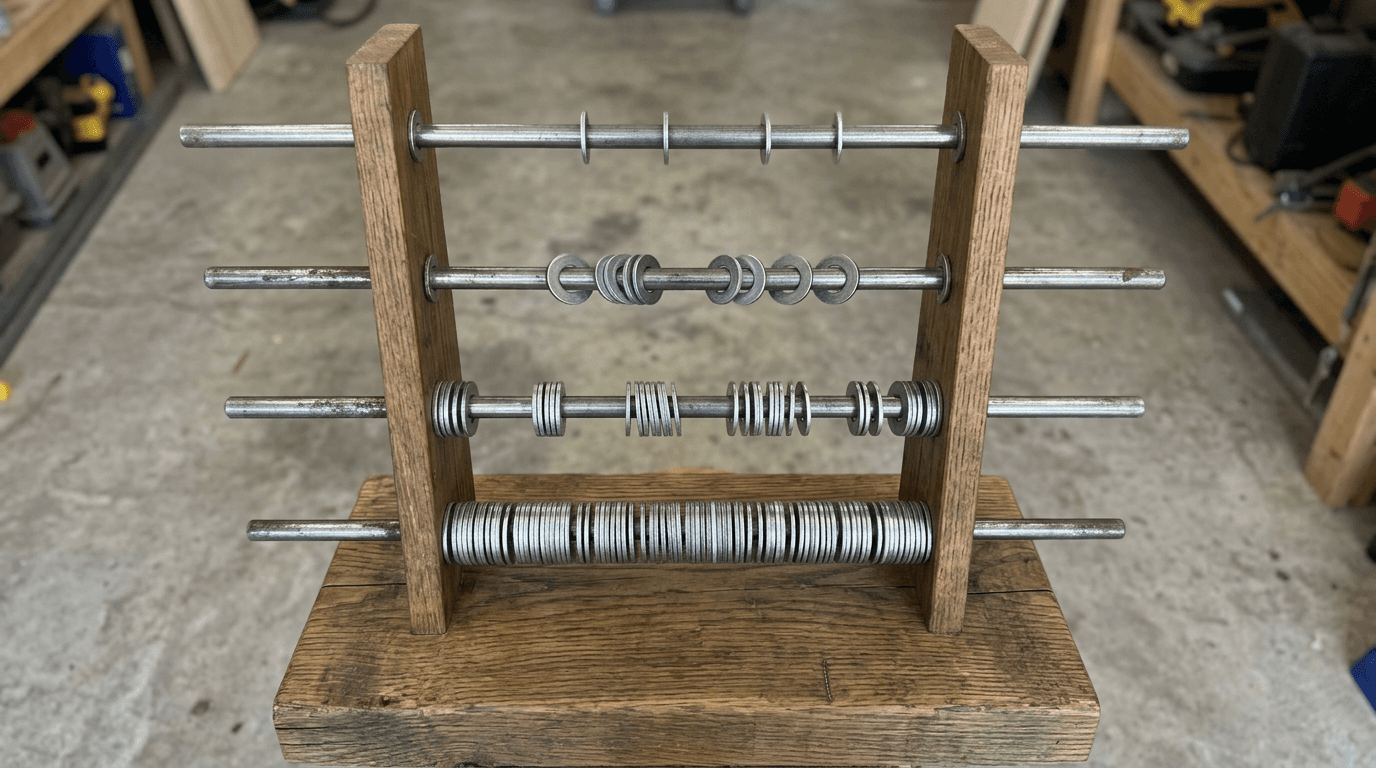
Maintenance priority is never only a maintenance opinion. Operations confirms whether the signal matches floor reality, whether production constraints change urgency, and whether a workaround already contains risk. Without that conversation, IoT becomes a ticket machine disconnected from output.
Treat triage as a standing handshake, not a meeting-only ritual. Supervisors should know which IoT classes are informational, which require same-shift confirmation, and which automatically enqueue planner review. When those classes drift without documentation, each shift invents its own urgency.
Cap concurrent IoT “urgents”
If everything is critical, labor allocation becomes random. Agree on a maximum number of concurrent IoT-driven interrupts by crew, and force the rest into scheduled windows or watchlists until capacity exists.
CMMS hygiene: auto-tickets carry corroboration notes; duplicates merge; watchlist items age out or promote on review; planners audit weekly for ticket sprawl.
DBR77 IoT in the priority ladder
DBR77 IoT fits when signals feed a ladder—context, corroboration, joint triage—rather than raw automation into work orders. Retrofit visibility should sharpen priorities, not flood them.
Turn IoT into maintenance priorities with evidence rules, shared triage, and hard caps on panic. Technicians should see fewer, better jobs—not more tickets with better charts.
Keep the article’s promise practical
Translate the ideas above into one habit your plant can sustain next month: a review that happens, a dictionary people open, a routing rule people trust, or a drill people run. Big programs stall when everything moves at once. Small loops compound when they repeat.
A leadership checkpoint for the next ops review
Ask one plain question: what changed on the floor this month because IoT made reality clearer—not louder? If the answer is vague, tighten scope, definitions, or review cadence before expanding footprint. Useful IoT shows up as calmer handovers, faster confirmation, and fewer circular arguments about what happened. Connection counts are inputs; behavior change is the receipt.
Bringing it home on the floor
None of this advice matters if it stays in a steering deck. The useful test is whether the next shift can act with less debate: clearer states, fewer mystery stops, faster confirmation, and escalation that respects attention. When IoT is working, the line feels less like a courtroom and more like a coordinated team—still loud, still busy, but oriented around the same facts.
If you walk the floor and people still describe the system as “the computer” instead of “our picture of the line,” keep tightening context, ownership, and review until the language changes. Language lag is a symptom that the loop is still too thin.
DBR77 IoT helps maintenance turn machine signals into prioritized work with context, corroboration, and disciplined routing—not ticket noise. Plan a pilot or See online demo.