KNOWLEDGE BASE
Discover our expertise
Practitioner articles on IIoT adoption in brownfield manufacturing, from first pilot to plant-wide standard.
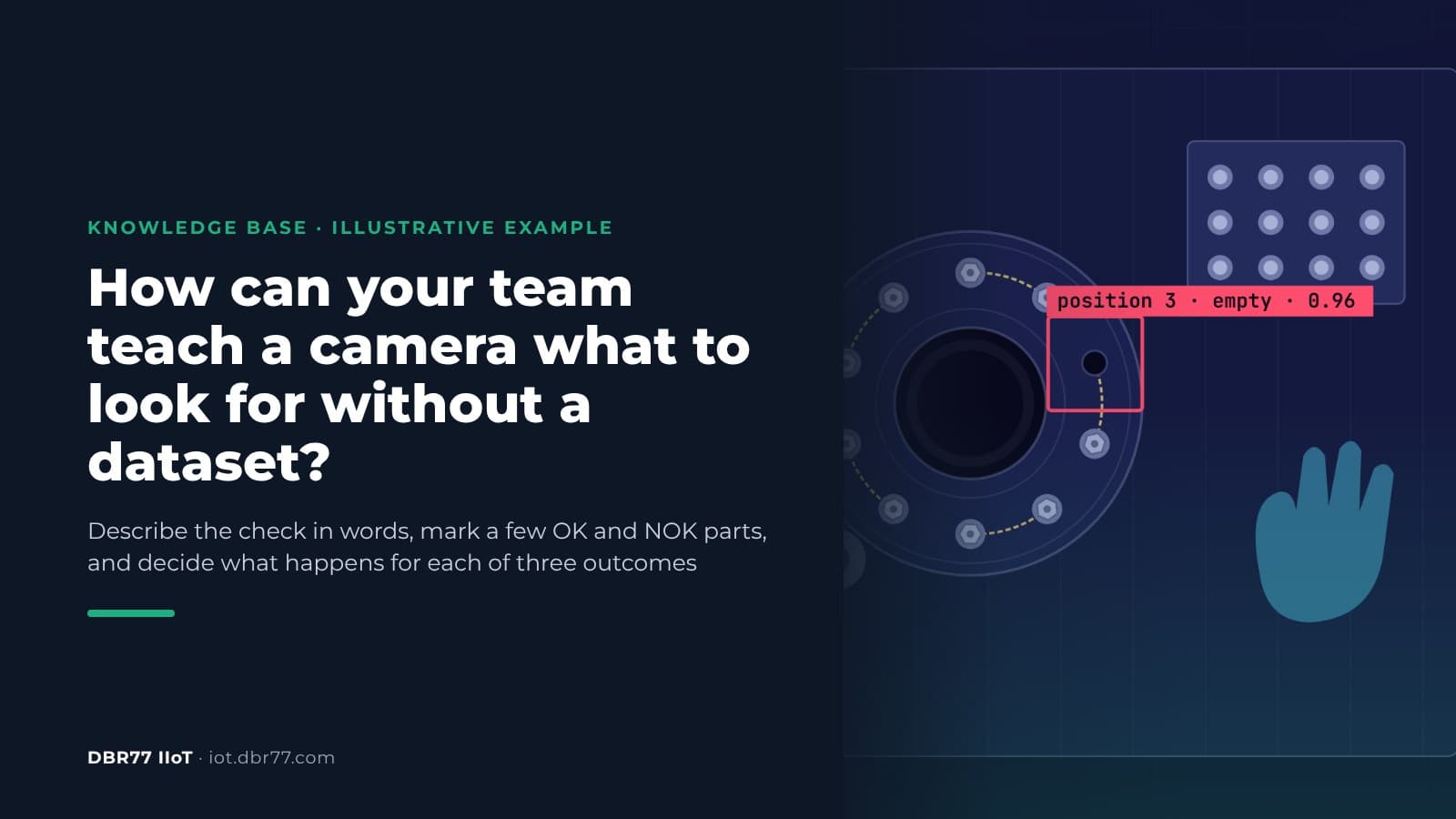
How Can Your Team Teach a Camera What to Look For Without a Dataset?
Your team can teach a camera by describing in words what to look for and what a good and a bad result look like. In DBR77 IIoT, an engineer types the object, for example "fasteners on flange A", the …
Read article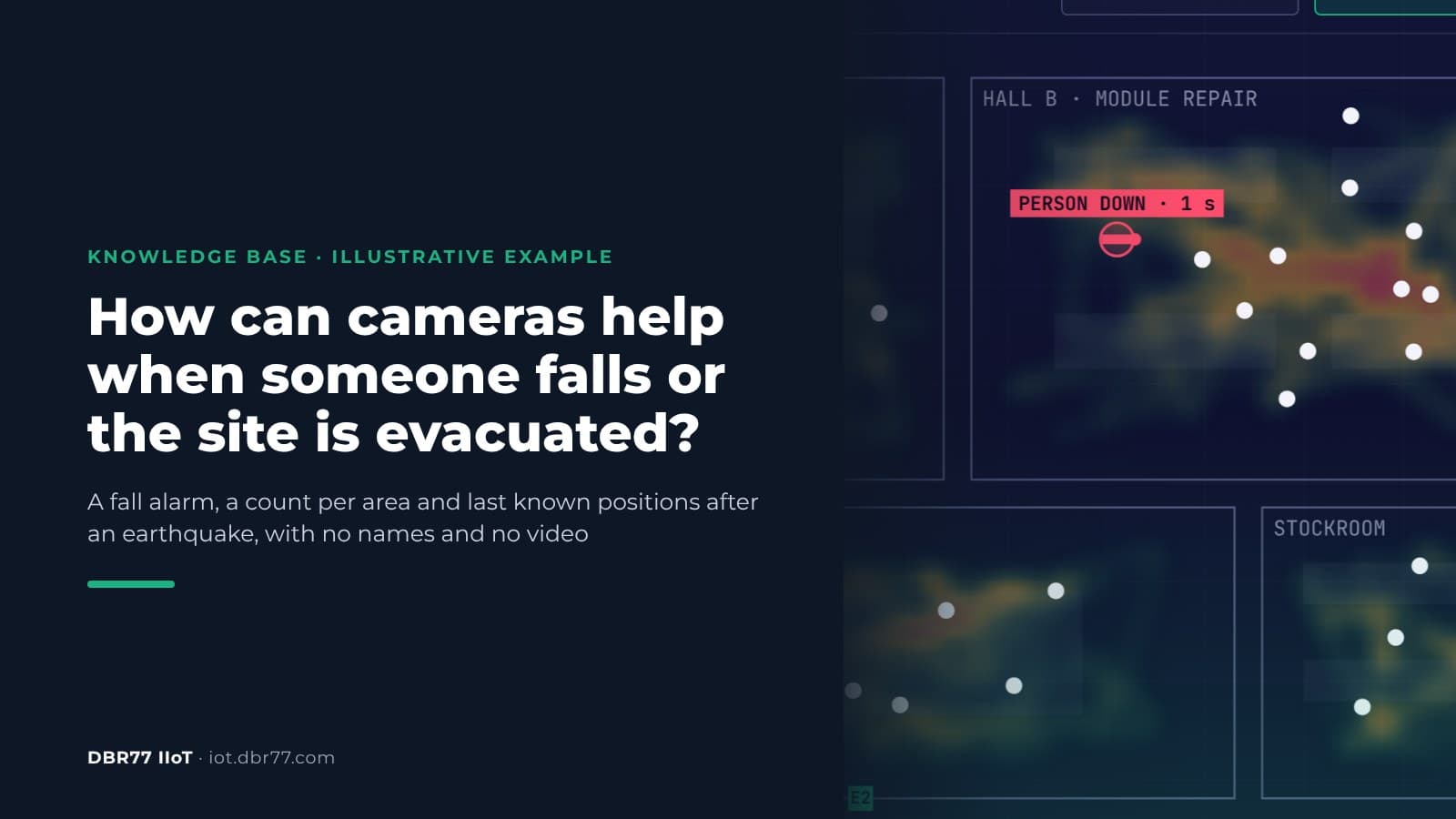
How Can Cameras Help When Someone Falls or the Site Is Evacuated?
Cameras that already watch the halls can raise an alarm when someone falls and does not get up, and they can show how many people are still inside after an evacuation alarm. In DBR77 IIoT, Vision AI …
Read article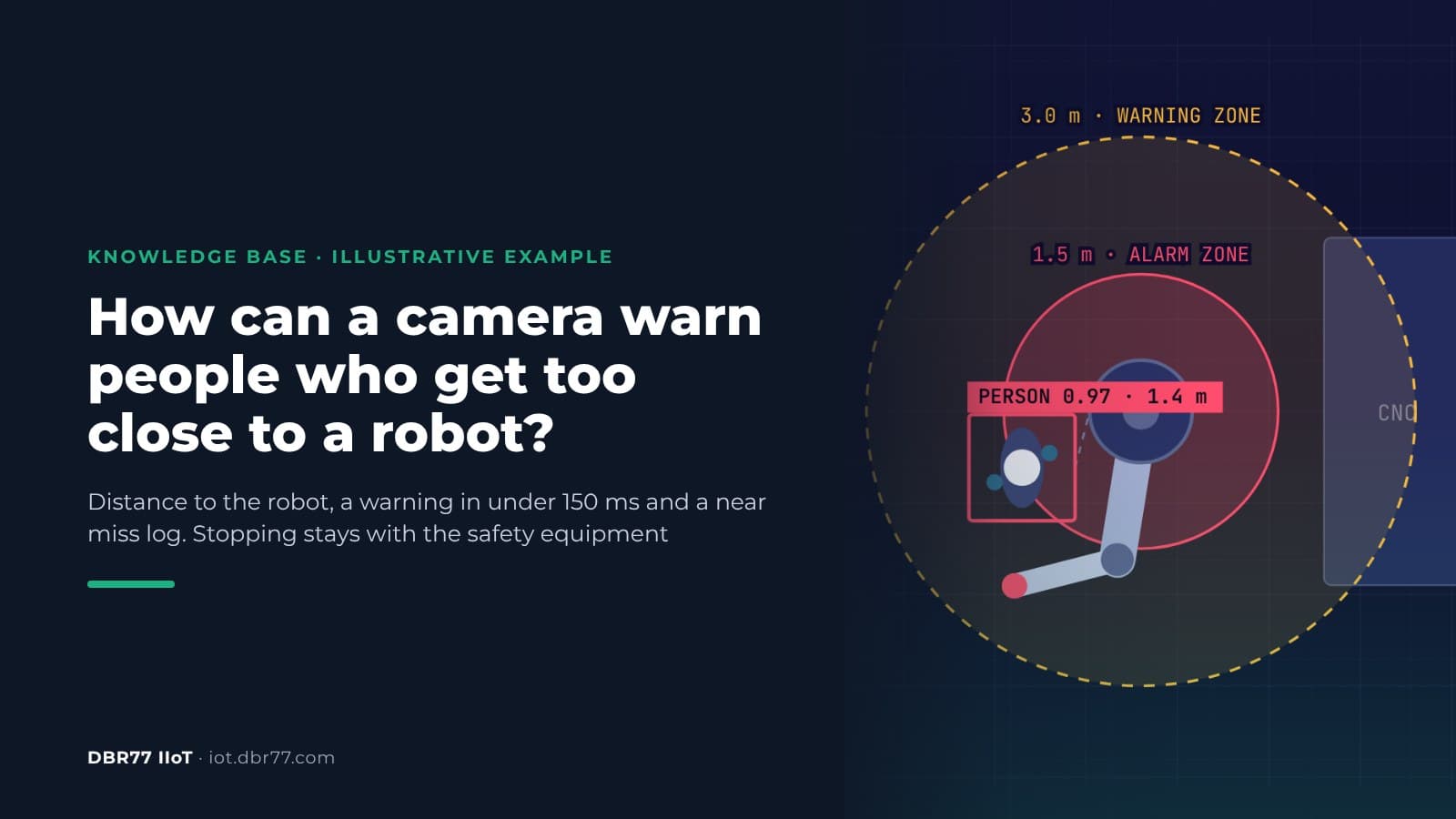
How Can a Camera Warn People Who Get Too Close to a Robot?
A camera can measure the distance between a person and a robot and warn the person before they get too close. In DBR77 IIoT, Vision AI watches the cell from above, warns in under 150 ms from detectio…
Read article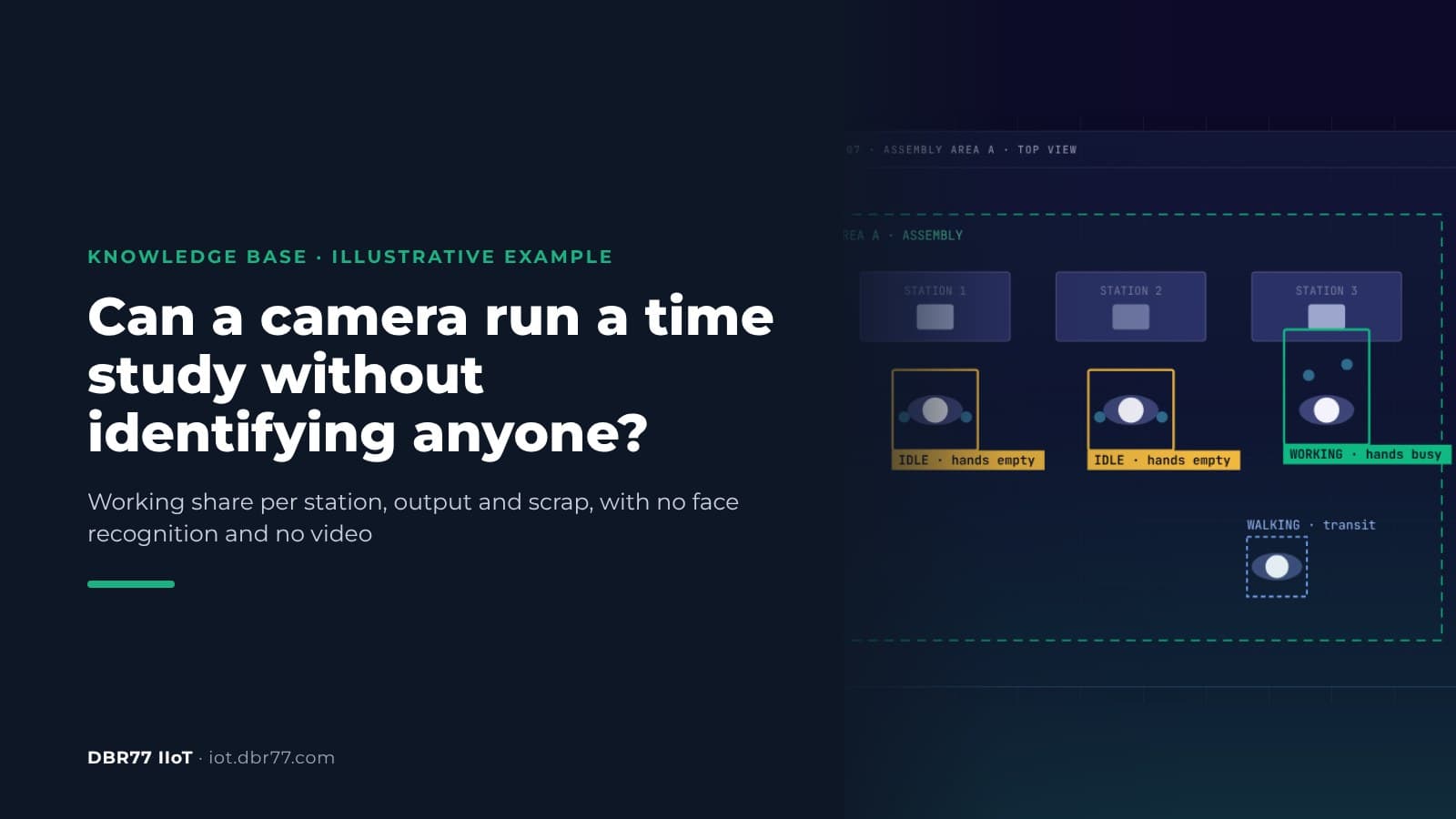
How Can a Camera Run a Time Study Without Identifying Anyone?
A camera can run a time study by counting how much of the shift each station spends on value-adding work. In DBR77 IIoT, Vision AI treats busy hands at a station as work and empty hands as waiting. I…
Read article
Turning IoT into a Repeatable Operating System in a Brownfield Factory
IoT becomes a repeatable operating system when every piece of data is wired to a specific decision, an owner and a fixed rhythm: a 10-minute daily loss review, weekly top-loss problem solving, a mont…
Read article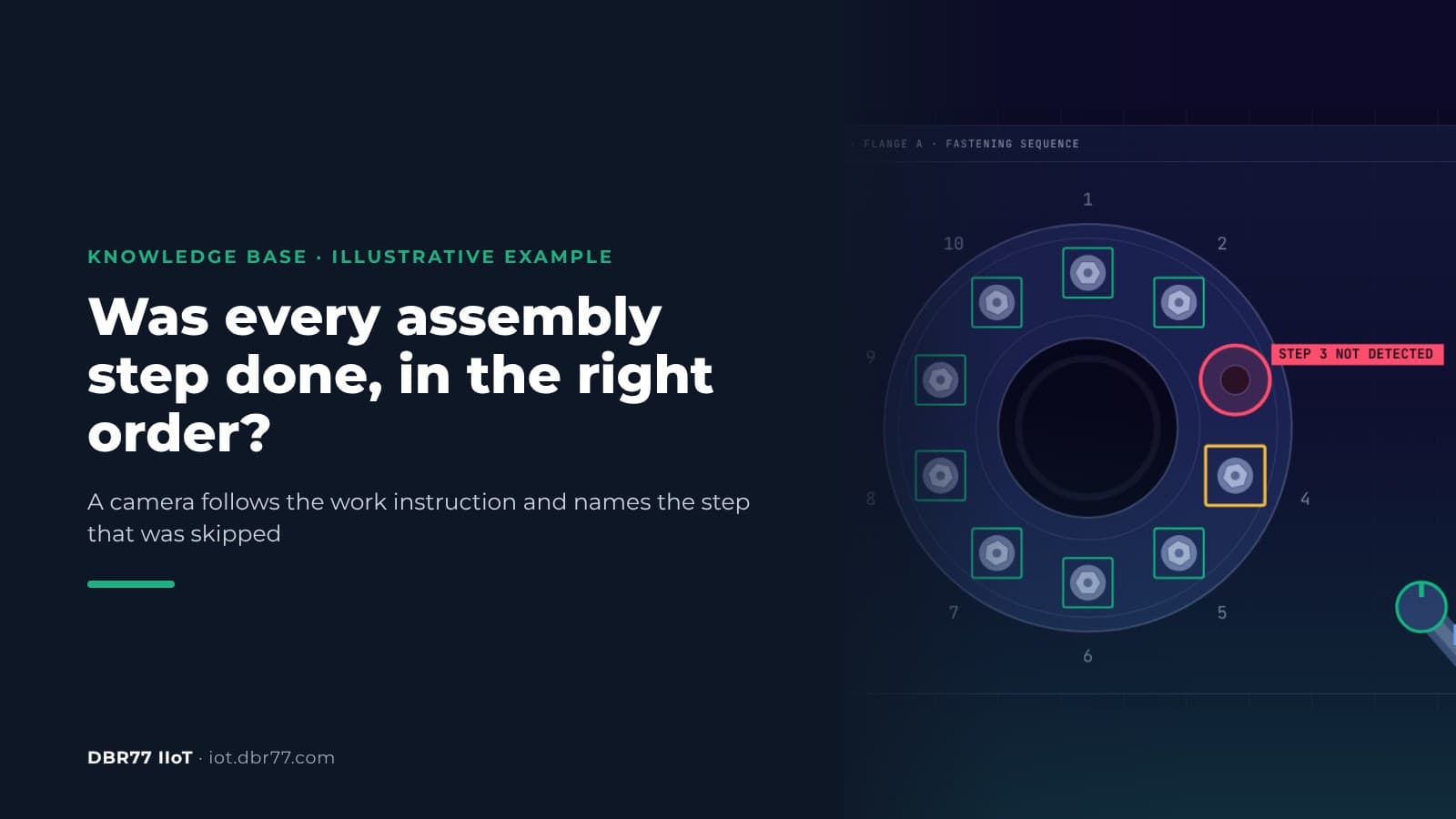
How Can a Camera Check That Every Assembly Step Was Done in the Right Order?
A camera checks assembly steps by recognizing each planned step as it happens and ticking it off on a live checklist. When the order is broken, for example fastener 4 before fastener 3, the technicia…
Read article
IoT Governance After Year One: Data Retention, Traceability and Audit Readiness
After the first year, IoT governance comes down to four things: a named owner for every signal and definition, a retention rule for each type of data, a traceable link from machine events to batches …
Read article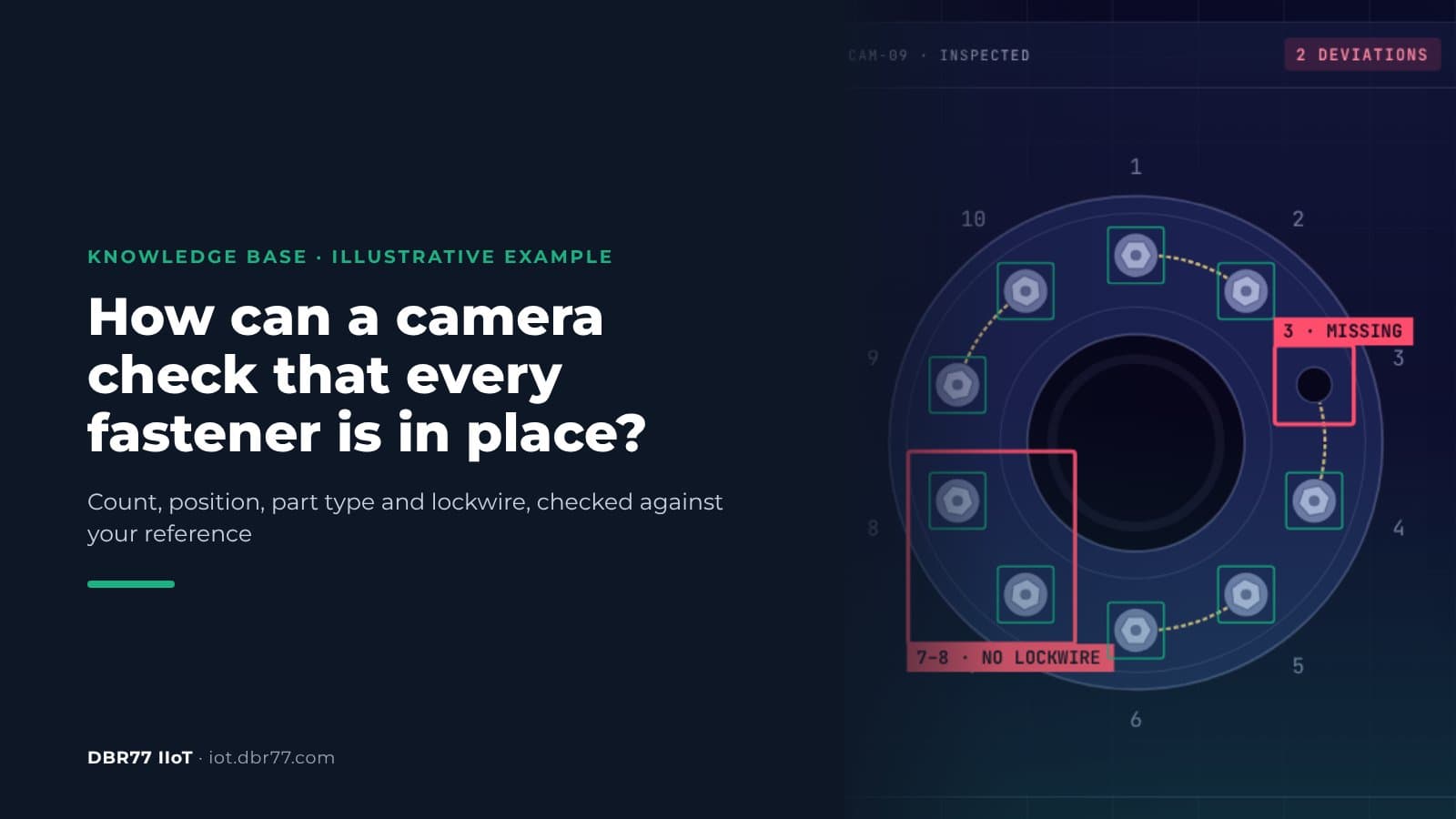
How Can a Camera Check That Every Fastener Is in Place?
A camera checks fasteners by comparing every finished assembly with an approved reference: it counts the fasteners, checks each position, the part type and orientation, and looks for lockwire, seals …
Read article
Multi-Site IoT: What to Standardize and How to Prove Value Across Plants
Across several plants, standardize only what makes numbers comparable: the machine state model, the top-level loss categories, KPI definitions, the data model and the security baseline. Leave detaile…
Read article
From Visibility to Closed-Loop Response: Maintenance Priorities and Plan Changes
Expand from visibility to closed-loop response once machine data is trusted and every alert already has an owner. The next step is a set of written rules that decide, for each signal pattern, who act…
Read article
From One Pilot to a Plant Standard: Rolling Out IoT Across Lines
To turn one successful IoT pilot into a plant standard, freeze the parts that made the pilot work: the state model, reason categories, alert routes and review cadence. Adapt only what has to differ p…
Read article
When to Integrate IoT with MES, ERP and CMMS, and When Alerts Should Become Work Orders
Integrate IoT with your CMMS first, once machine states and stop reasons have been stable for a few weeks, then with MES, and with ERP last. An alert should become a work order only when it needs par…
Read article
Using Machine Data in Shift Handover Without More Reporting
Machine data improves shift handover when it replaces the notes people write at the end of a shift, not when it adds a new report on top. A good handover covers four things: the top losses of the shi…
Read article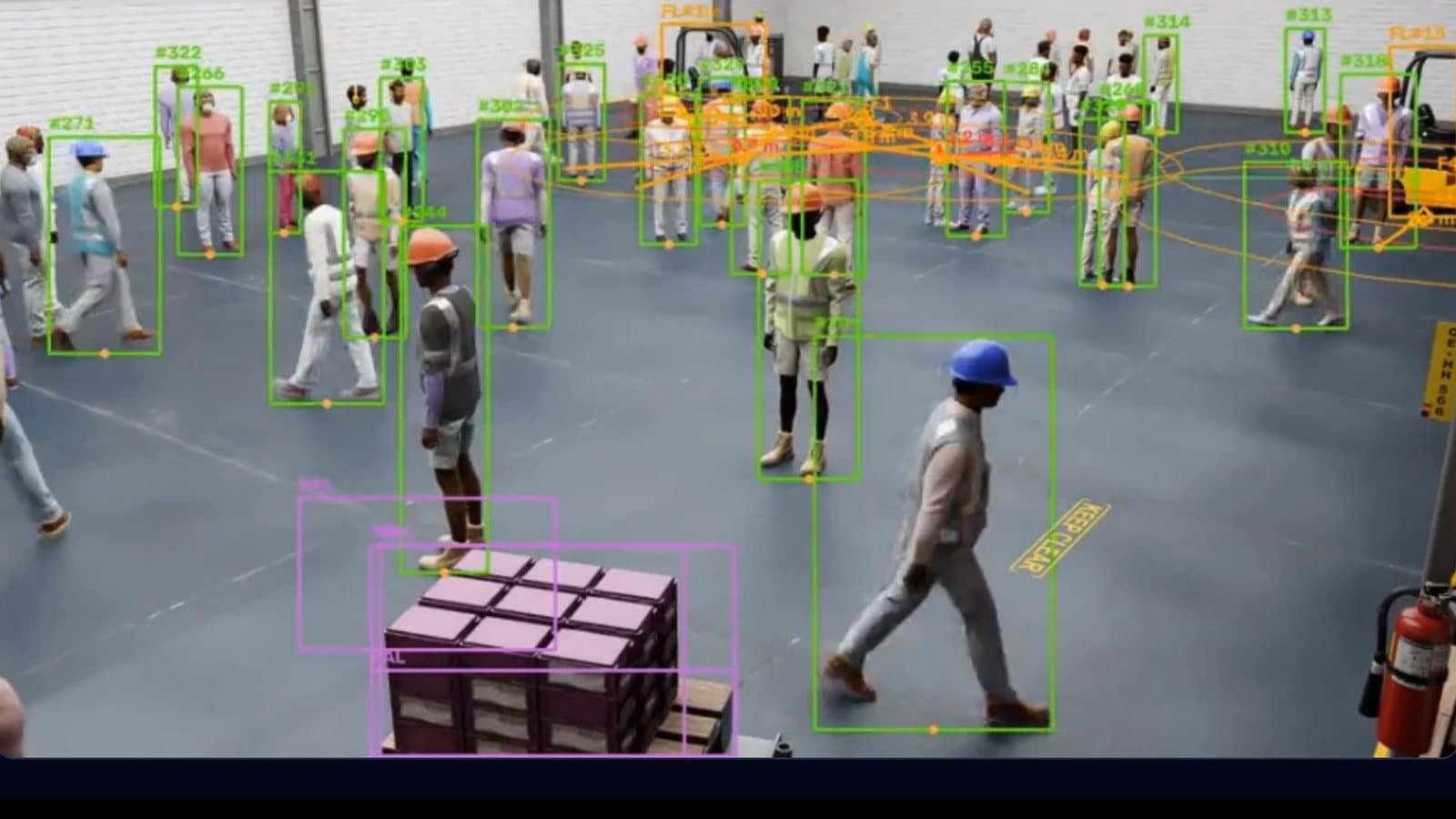
Cameras as Sensors: When Vision Beats a Sensor, and When It Does Not
A camera beats a sensor where there is nothing to read from: manual assembly, packing, the welding bay or the press from 1994, where retrofitting sensors costs more than the station is worth. Where a…
Read article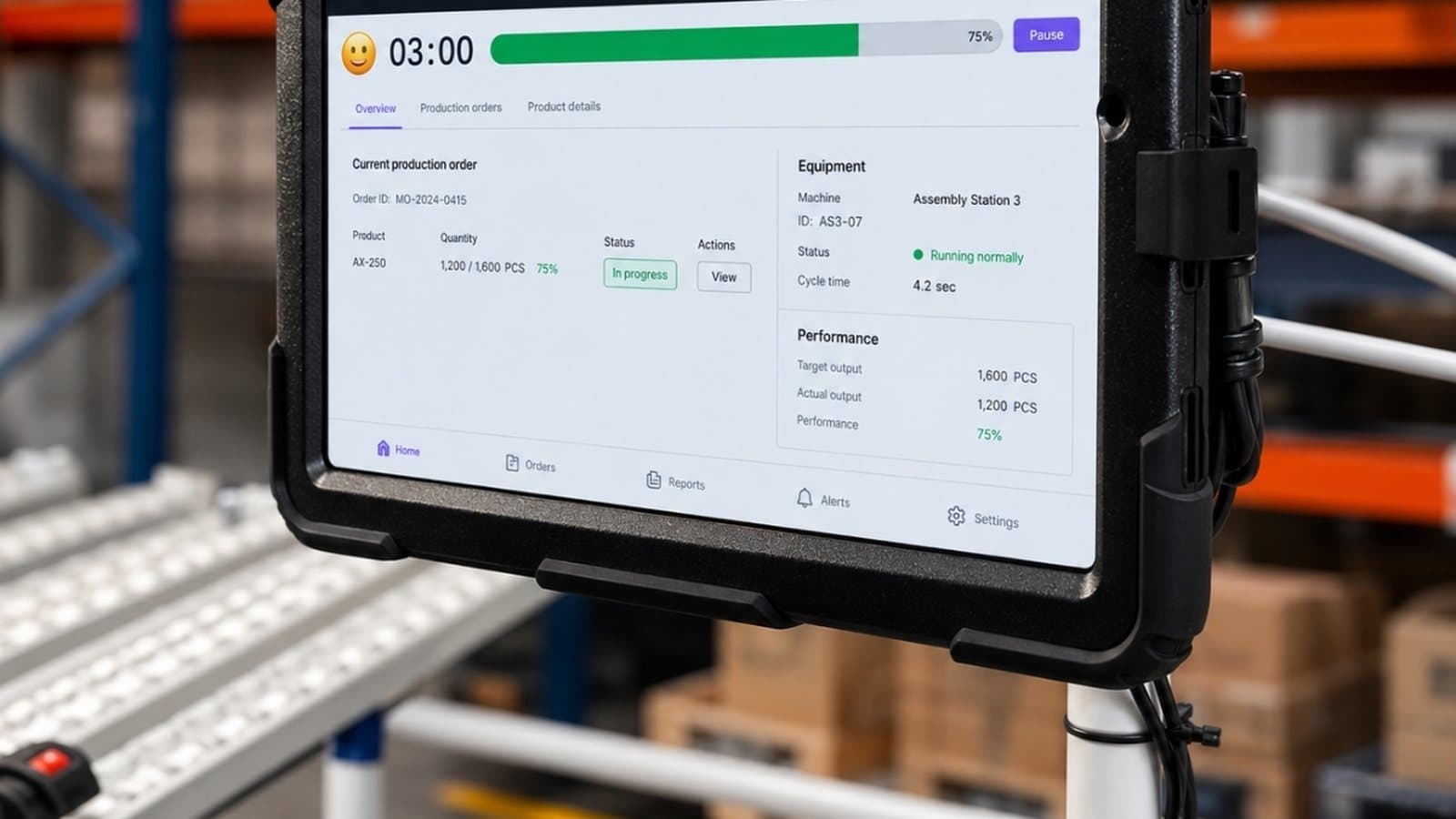
When Operators Don't Trust the Data: Getting IoT Adopted on the Floor
Operators start trusting IoT data when it matches what they see at the machine, when their input visibly changes something, and when the numbers are used to help them. If any one of these is missing,…
Read article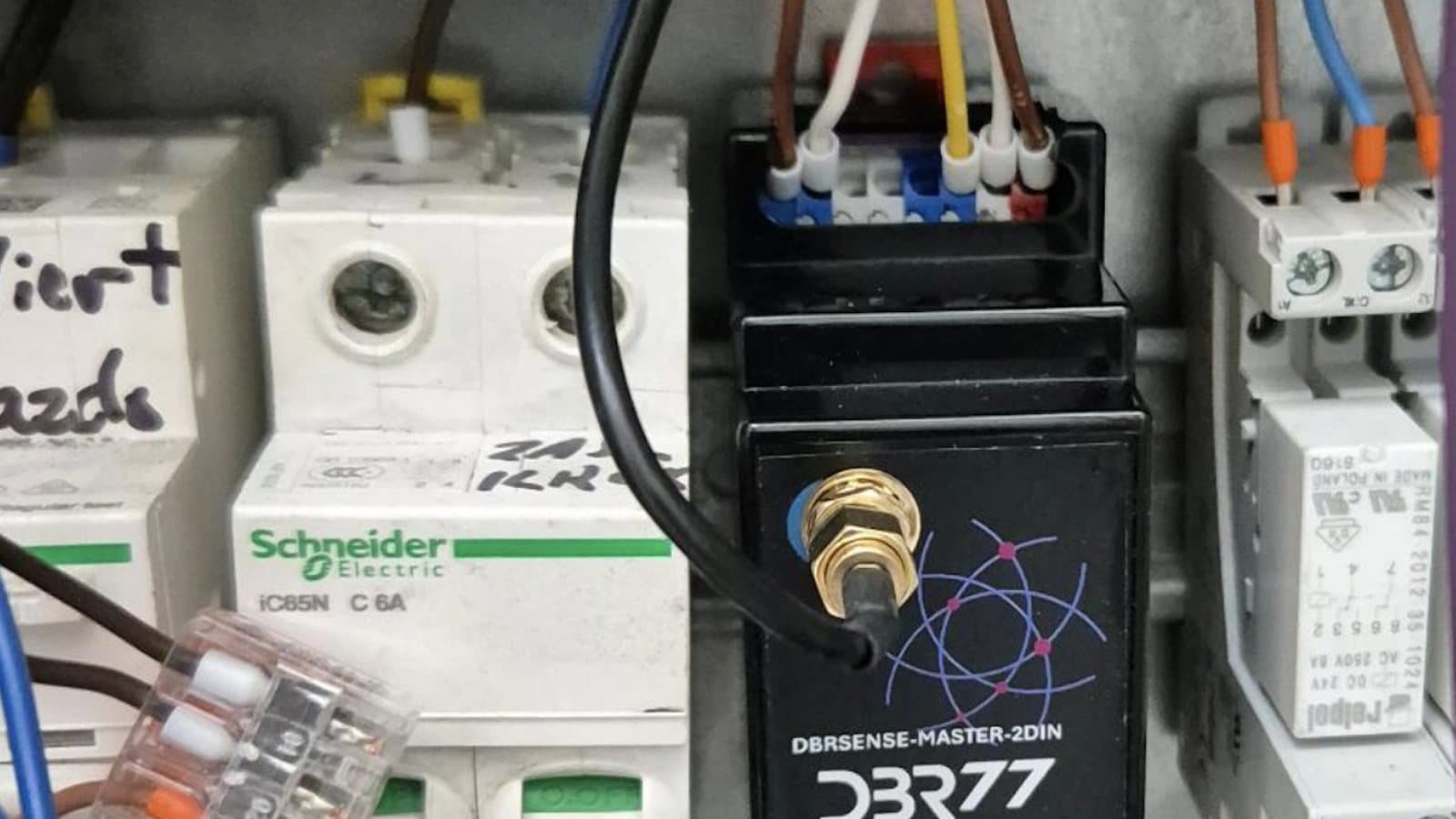
Machine Data Without Context Is Noise: Downtime Reasons, State Models and Data Quality
Machine data becomes useful when every signal is translated into a state everyone agrees on and every stop carries a reason. Without a machine state model and downtime reason codes, a signal that say…
Read article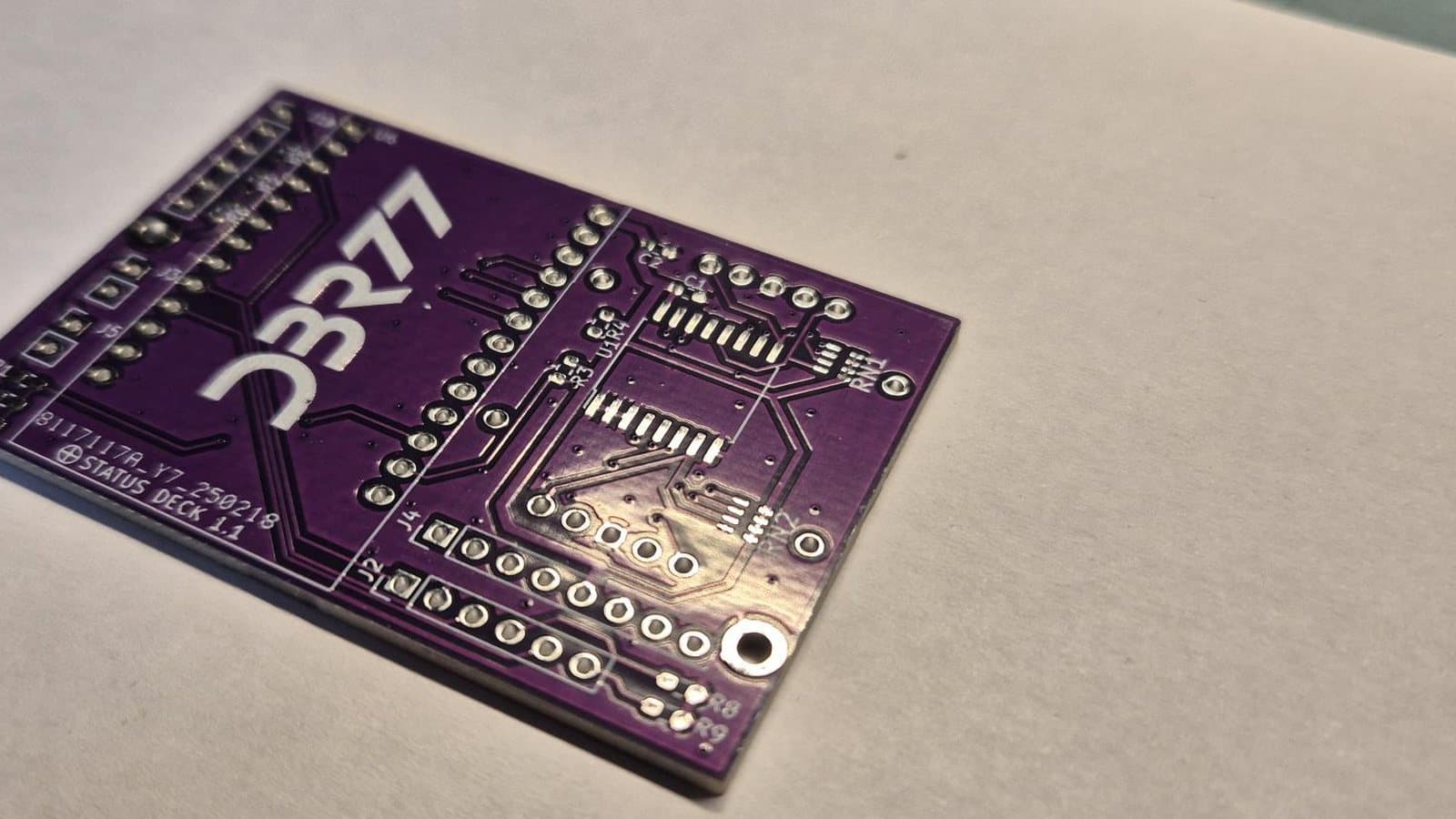
7 Mistakes Factories Make When Implementing IoT
The seven most common mistakes factories make when implementing IoT are: no decision defined, IT-only ownership, too many lines at once, no baseline, alerts without owners, reason codes copied from t…
Read article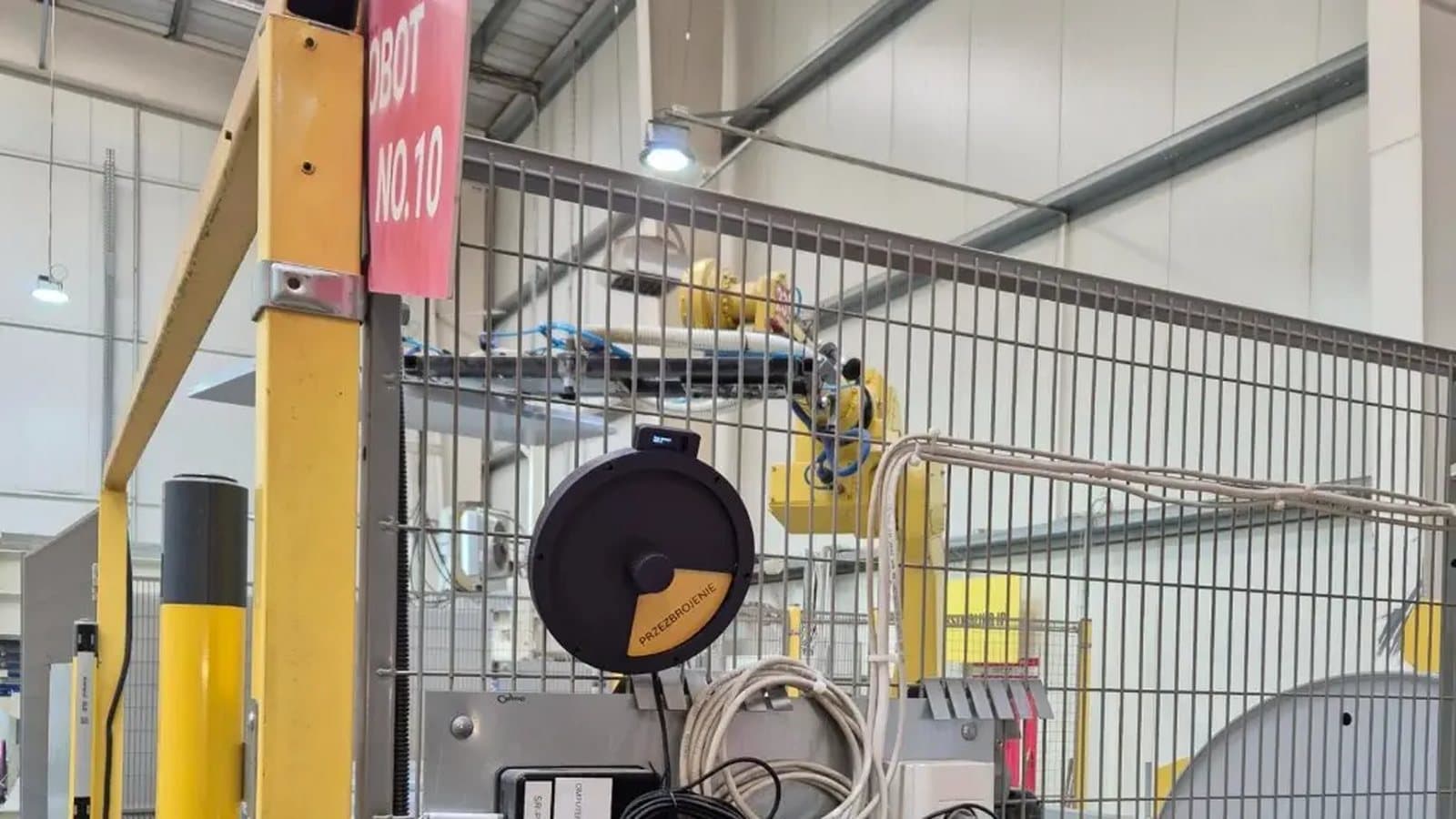
How to Choose the First IoT Use Case in Your Plant
The right first IoT use case is a loss that repeats every week, can be measured today, has one owner and can be acted on within a shift. If the data needed to see it is reachable in weeks rather than…
Read article
Edge vs Cloud in Manufacturing: Where Machine and Camera Data Should Be Processed
In manufacturing, process machine and camera data at the edge, inside the plant, when you need fast reaction, offline operation, low network load or tight control of personal data. Use the cloud for …
Read article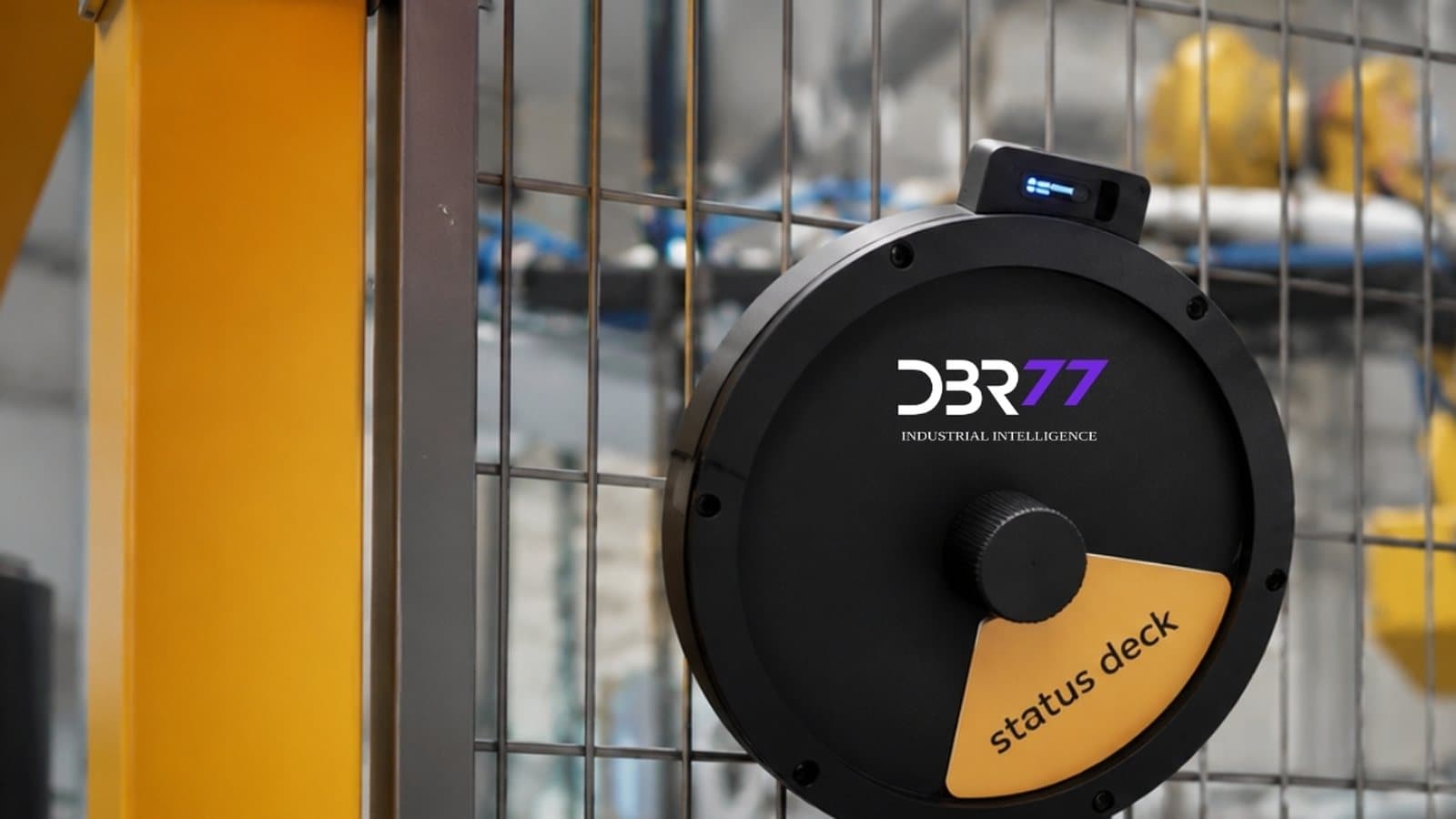
Why Machine Alerts Fail on the Shop Floor: False Alarms, Escalation and Response Time
Machine alerts fail on the shop floor when there are too many of them, when they are sent to a group instead of a person, and when nobody tracks what happens after they fire. They work when each aler…
Read article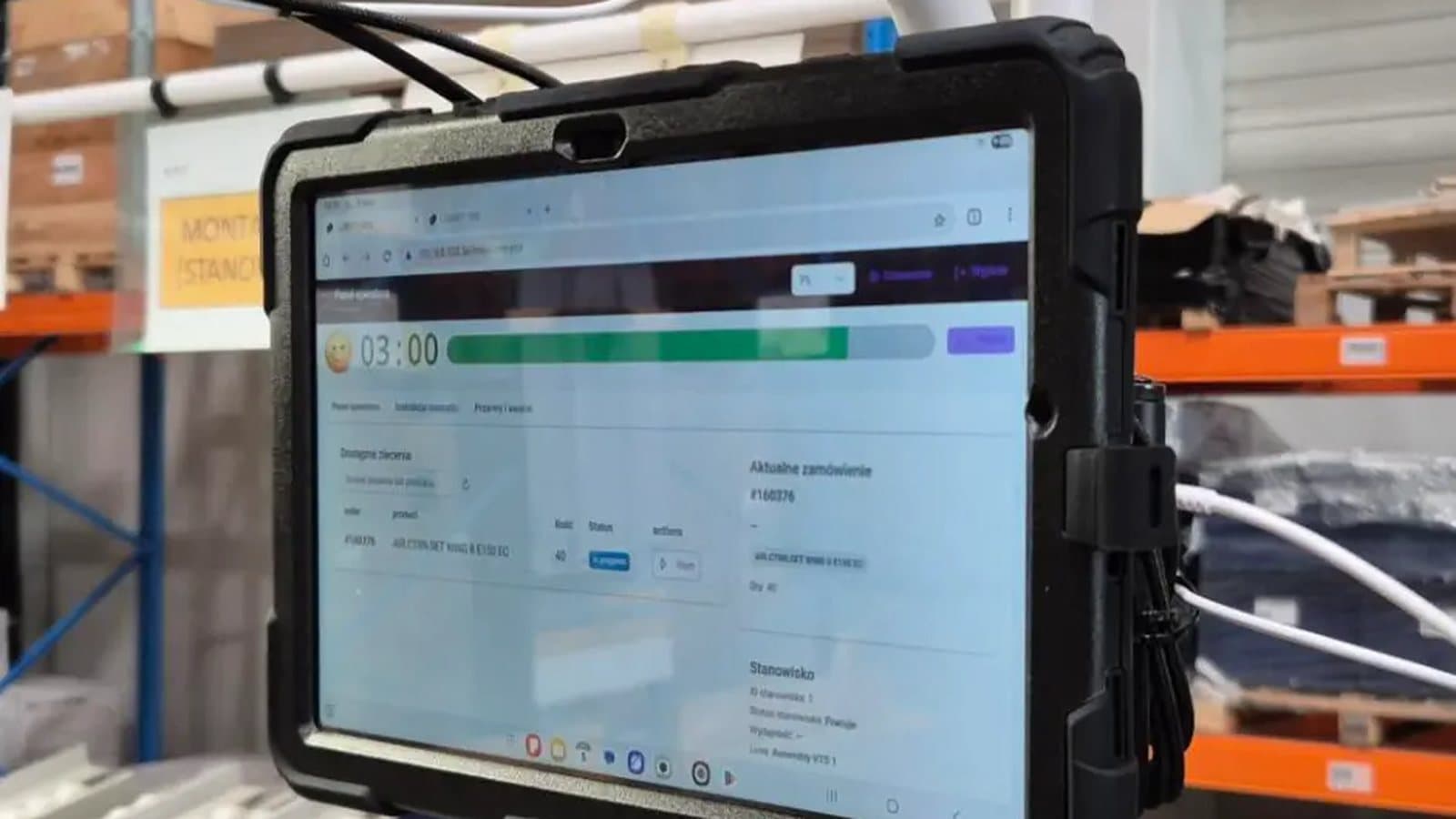
Live OEE vs OEE from a Spreadsheet: the Hidden Cost of Manual Measurement
Live OEE is calculated continuously from machine events, so it shows losses while the shift can still act on them. Spreadsheet OEE is rebuilt by hand after the fact, usually misses short stops and gu…
Read article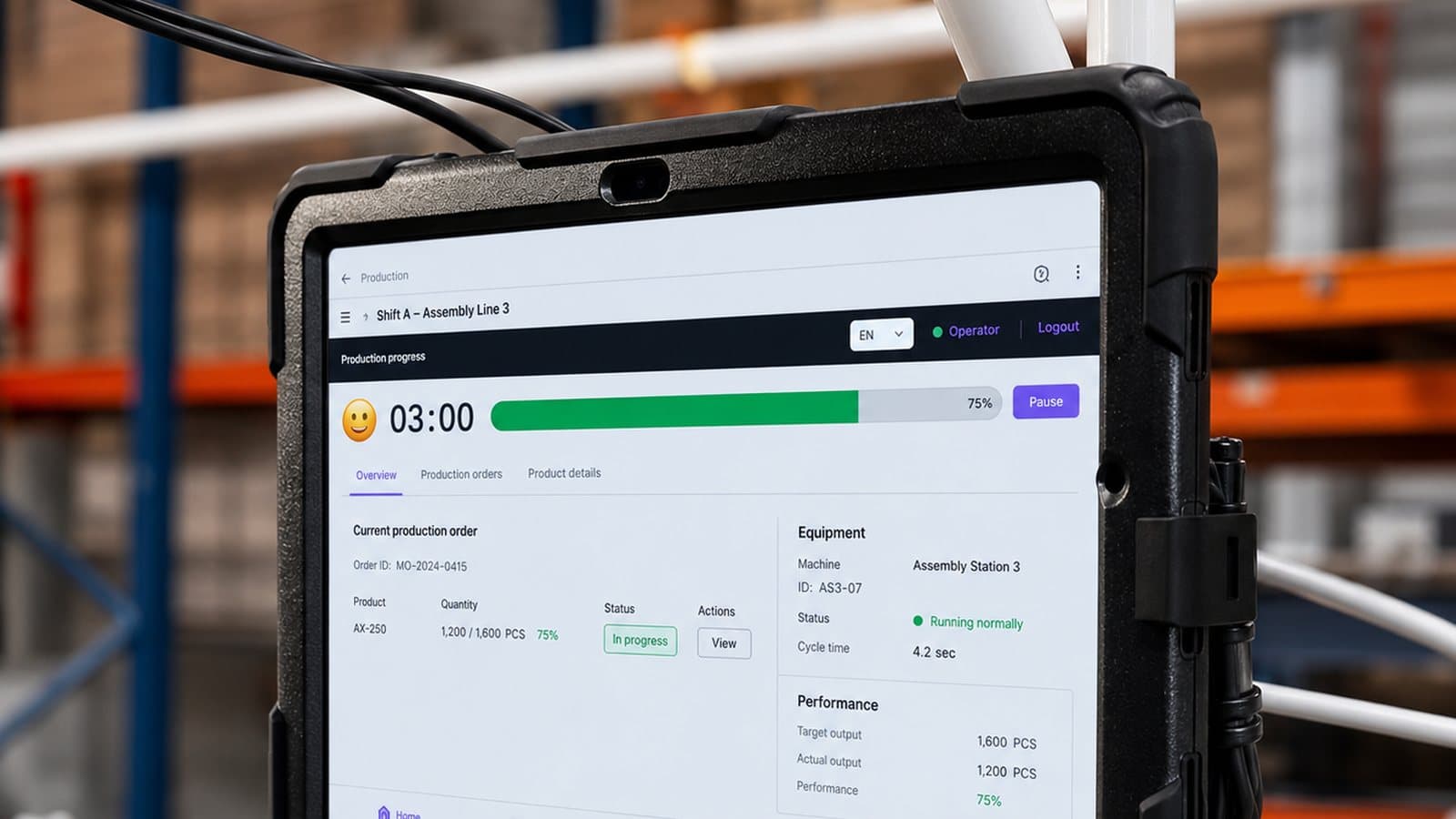
What to Measure in the First 90 Days of IoT and How to Review Pilot Value
In the first 90 days of IoT, measure response time to stops and the share of downtime with no reason first, and OEE last. Response time is under your control from the day the floor becomes visible, w…
Read article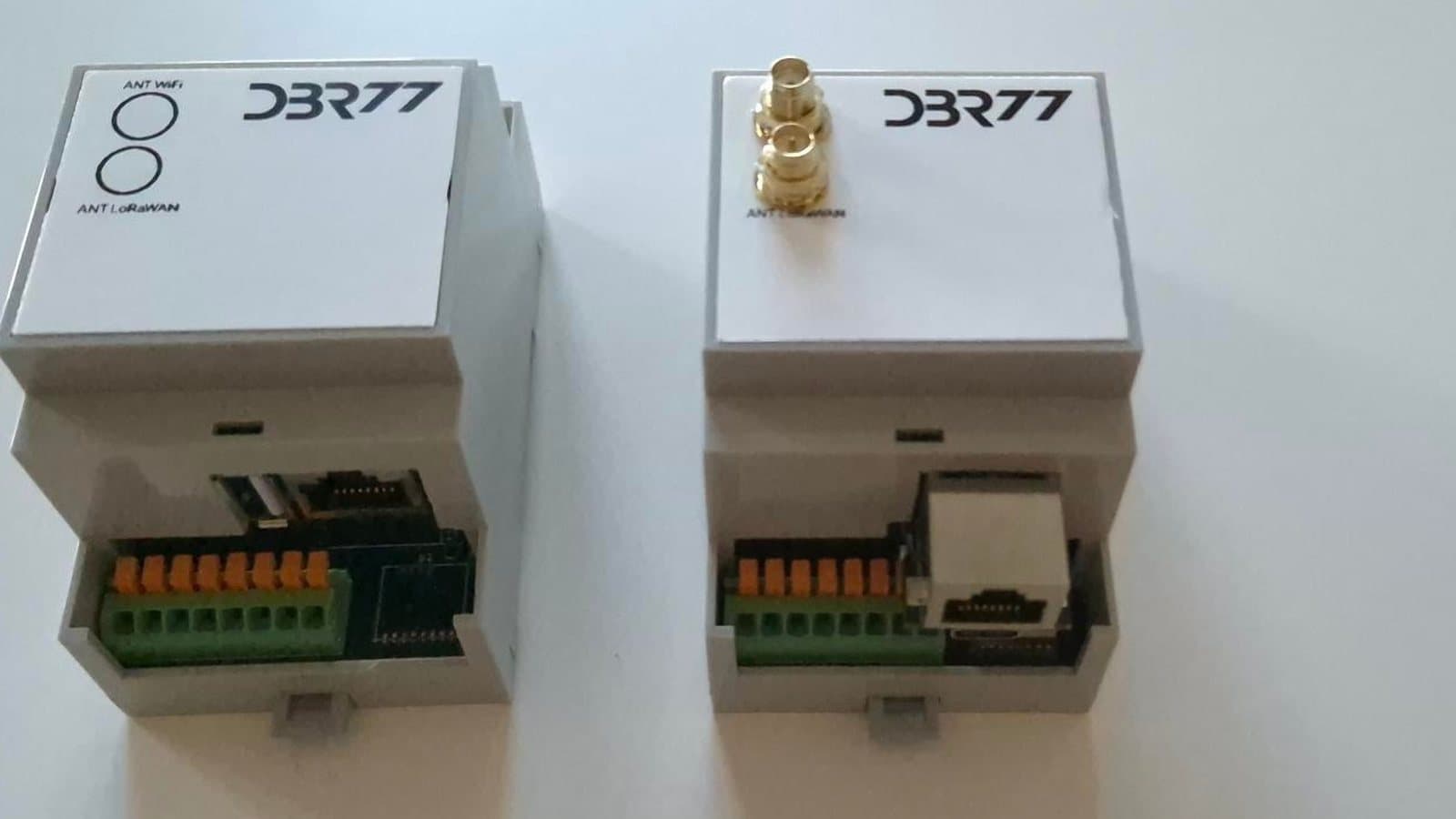
Connecting Old Machines Without a PLC: OPC UA, Modbus and Edge Retrofit
You can connect old machines without a PLC by fitting a small edge device that reads what the machine already shows: stack light, motor current, a cycle sensor or operator input. Modern machines on t…
Read article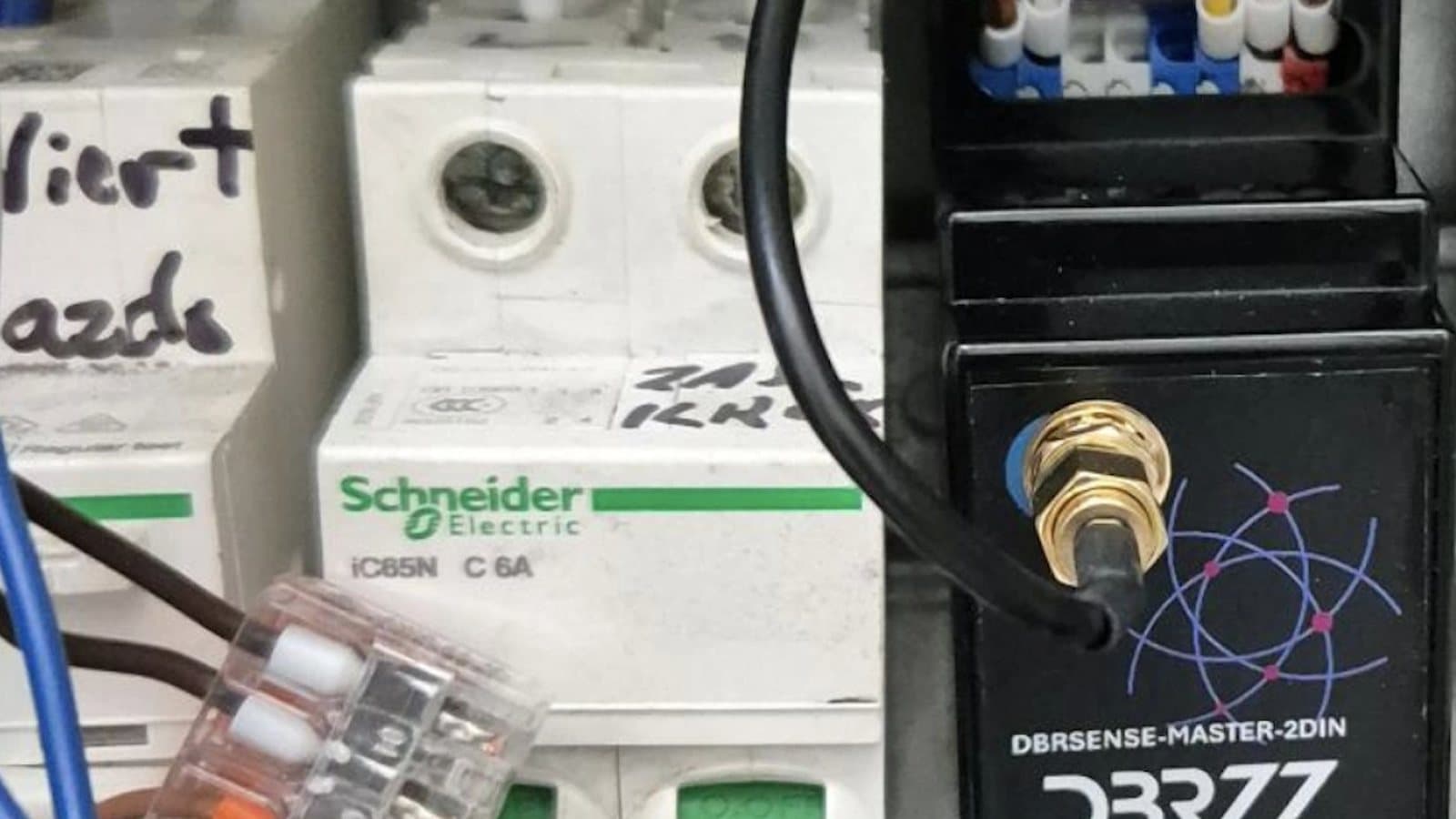
What Data to Collect from Machines (and What to Ignore)
Start by collecting five things from every machine: its state (running, idle or stopped), part counts, cycle time, stop reasons and alarms. Add energy, vibration or process values only when you can n…
Read article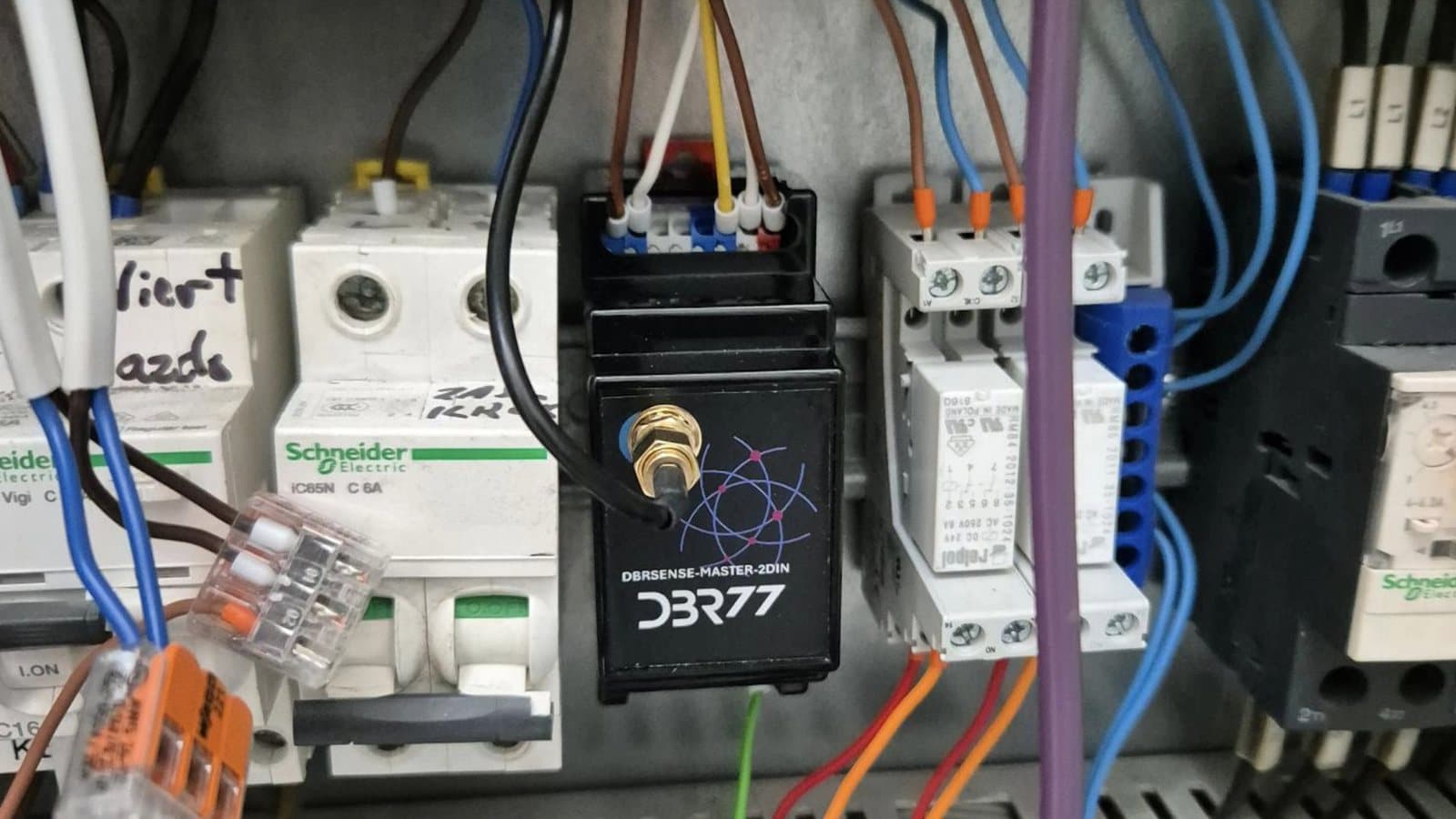
The First 30 Days of IoT in a Brownfield Factory
In the first 30 days of IoT in a brownfield factory, aim for one line where every stop is visible, every stop has a reason, and one person owns the response. With that in place after four weeks, the …
Read article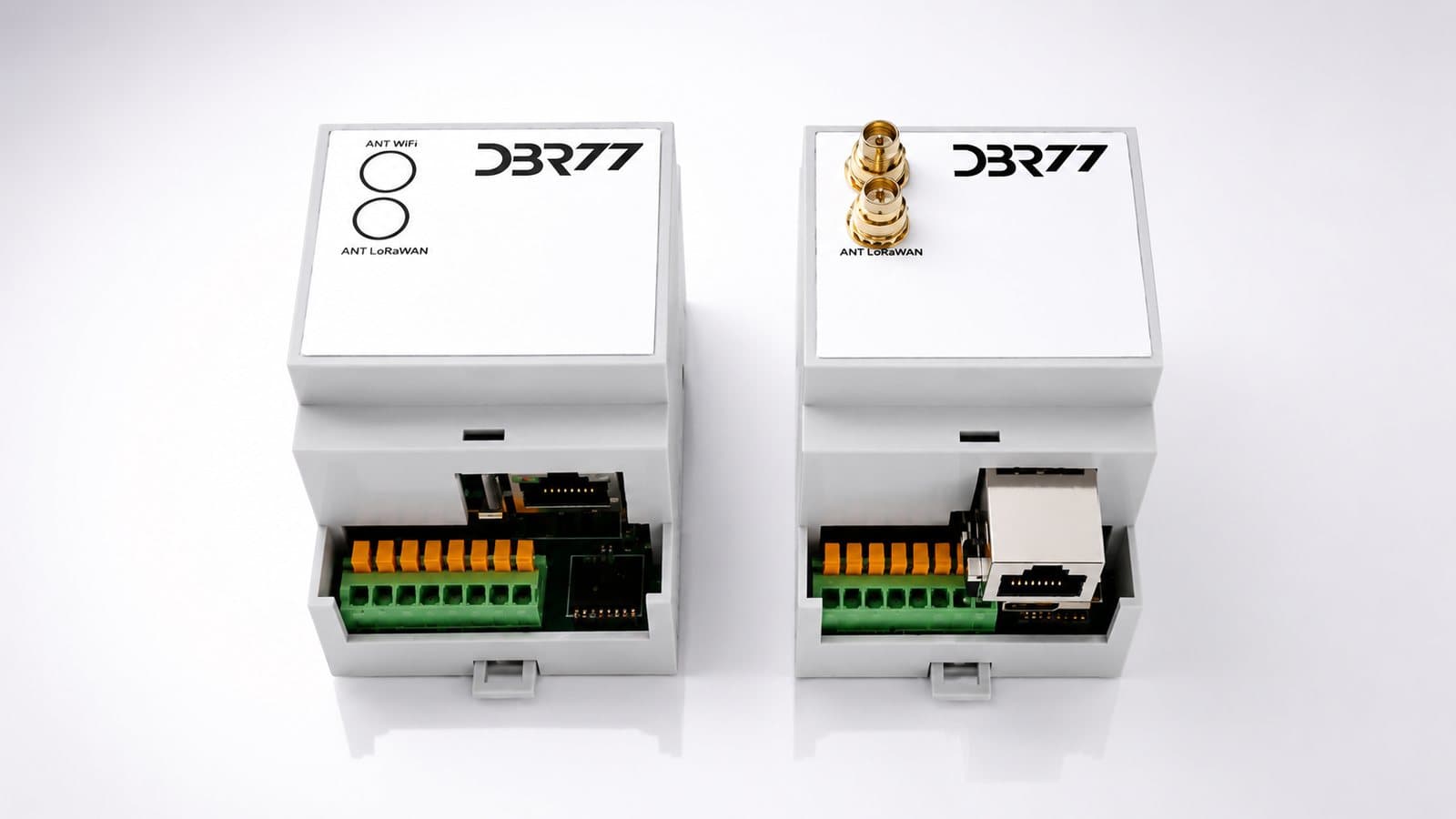
How to Build a Business Case for IoT in a Brownfield Factory
A business case for IoT in a brownfield factory stands on three numbers: what one point of OEE is worth on your bottleneck line, how many minutes you lose between a stop and a response, and what a on…
Read article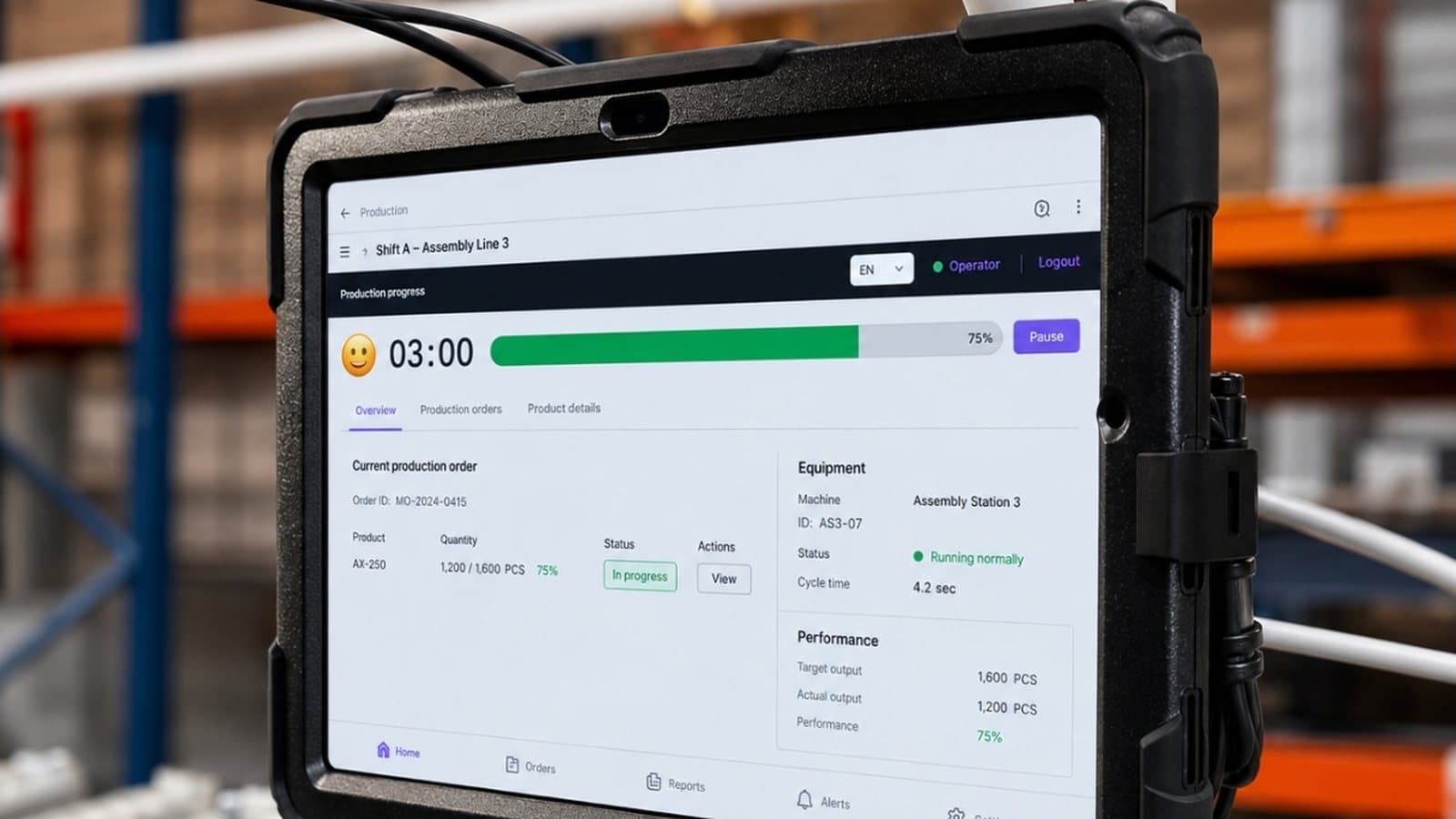
How to Reduce Downtime with Real-Time Data: What Changed on One Packaging Line
Real-time data reduces downtime when it shortens the time between a machine stopping and the right person acting on it. On one corrugated-packaging line, making every stop visible as it happened cut …
Read article