Real-Time Production Visibility in Practice
“Real-time visibility” is easy to say and hard to operationalize. A screen that updates quickly is not the same thing as a plant that decides faster. Visibility becomes real when it changes behavior:…
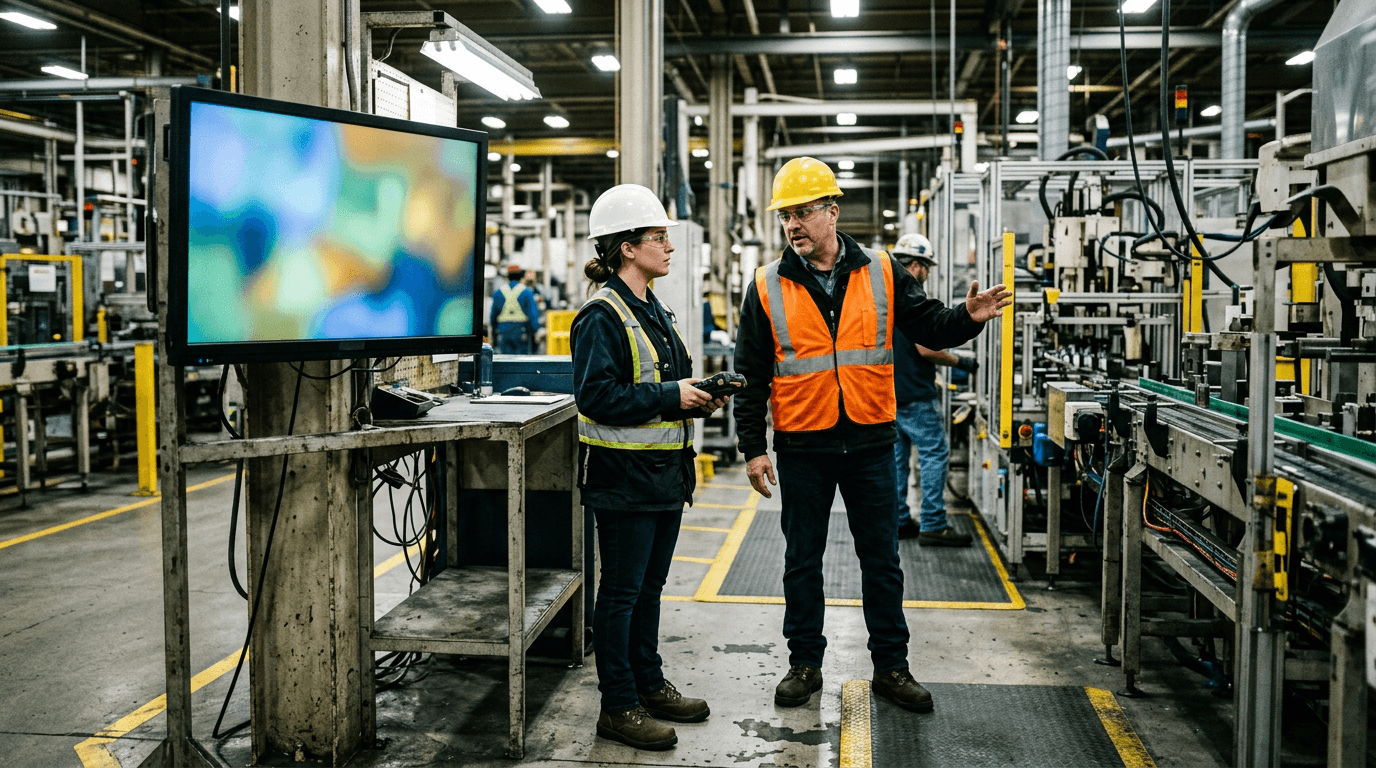
Operators: the job is the interface
Operators rarely need executive KPI theater. They need the current job, the next job, station status, pace against target, downtime duration with a fast path to reasons, and the defects or shortages that require immediate choices. If the tool does not help them run the shift, it will lose attention no matter how large the display is.
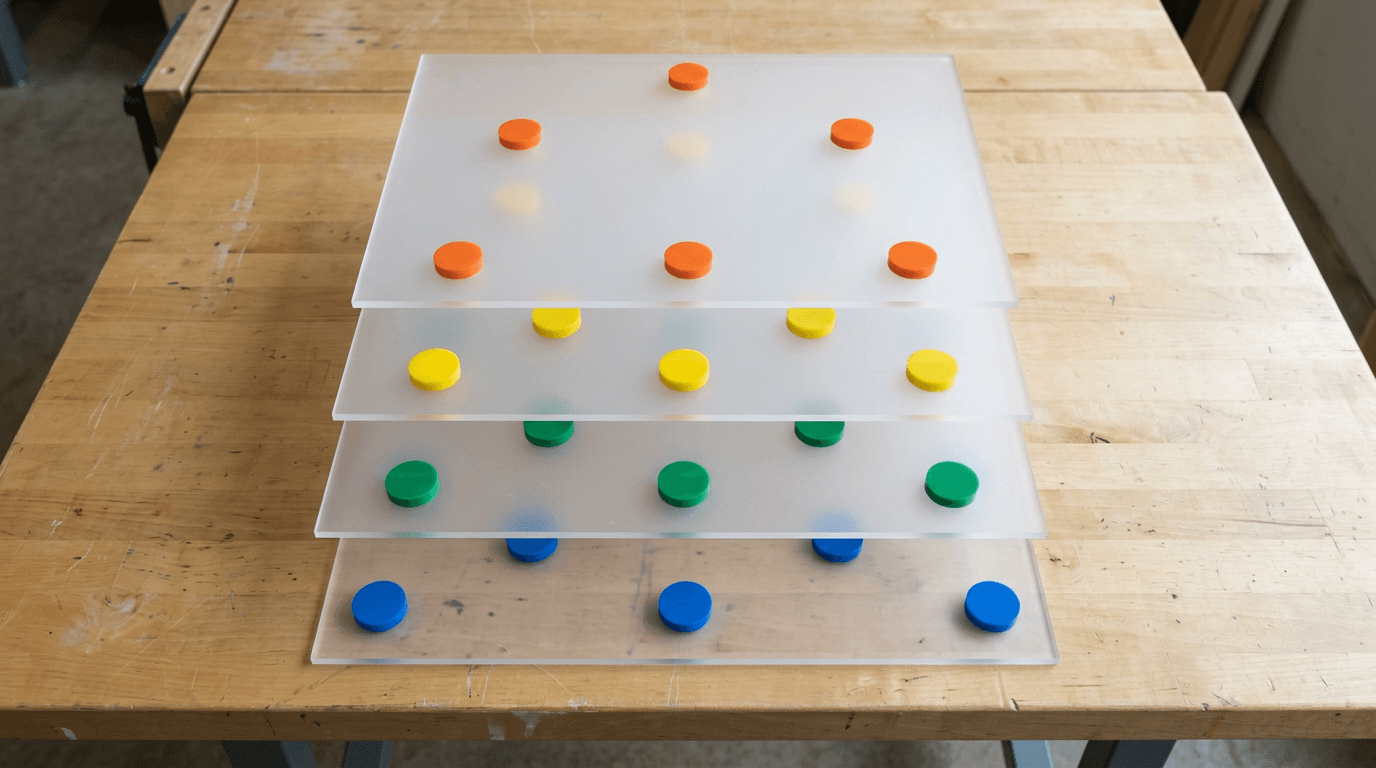
Supervisors: priority, not panorama
Supervisors live in competition for minutes. Their view should highlight where the plan is slipping, where stops repeat, what is already escalated, and where support will change outcomes. The goal is faster prioritization, not a prettier stack of charts.
Maintenance and quality: earlier truth, less detective work
These functions suffer when they discover issues late or through informal channels. They need the event, the structured reason or context, notes that mean something on the floor, and clarity about urgency and ownership. Real-time visibility should shorten the path from recognition to competent intervention.
Management: enough truth to steer, not every pixel from the line
Leadership does not need every sensor stream. It needs trustworthy signals that answer whether performance is drifting now, whether recovery is happening, whether the issue is local or systemic, and where investment and attention will matter next week.
When “live” is still weak
A dashboard can refresh continuously while omitting context, ownership, and follow-through. That produces a modern-looking version of the old problem: everyone sees something, nobody agrees what to do. Actionable visibility includes the response path, not only the metric.
Behavior follows believable shared reality
When the floor trusts what it sees during the shift, conversations change. Operators spend less time guessing. Supervisors intervene earlier. Maintenance arrives with fewer false starts. Management can coach from facts instead of reconstructed narratives.
Brownfield needs practical, not perfect
Mixed equipment and fragmented systems make idealized visibility unlikely. The win is a coherent operational layer that works with retrofit constraints and human input, rather than a program that waits for a pristine architecture day that never comes.
DBR77 IoT as an operational window
DBR77 IoT’s public story maps to practical visibility: live machine status, operator reason capture, plan and pace context, alerts and escalation, and mobile or tablet execution surfaces—closer to a working window than to generic monitoring.
Real-time production visibility, done honestly, answers four questions for the right person at the right moment: what is happening, what it implies, who owns the next move, and what should happen next. That is the standard that separates operational reality from digital decoration.
Bringing it home on the floor
None of this advice matters if it stays in a steering deck. The useful test is whether the next shift can act with less debate: clearer states, fewer mystery stops, faster confirmation, and escalation that respects attention. When IoT is working, the line feels less like a courtroom and more like a coordinated team—still loud, still busy, but oriented around the same facts.
If you walk the floor and people still describe the system as “the computer” instead of “our picture of the line,” keep tightening context, ownership, and review until the language changes. Language lag is a symptom that the loop is still too thin.
DBR77 IoT turns real-time visibility into a role-based operating window with live status, plan context, reason capture, and escalation. Plan a pilot or See online demo.