When IoT Alerts Should Create Work Orders and When They Should Not
A work order promises labor, parts, and follow-through. An IoT alert observes a condition. When the plant confuses the two, CMMS credibility collapses.

When a work order is justified
Create a job when labor is truly required, a job plan or failure mode exists, the signal crossed a plant-defined threshold, and corroboration rules were satisfied. The plant should believe delay increases safety, quality, or downtime risk by standards it already owns—not by vendor-default panic.
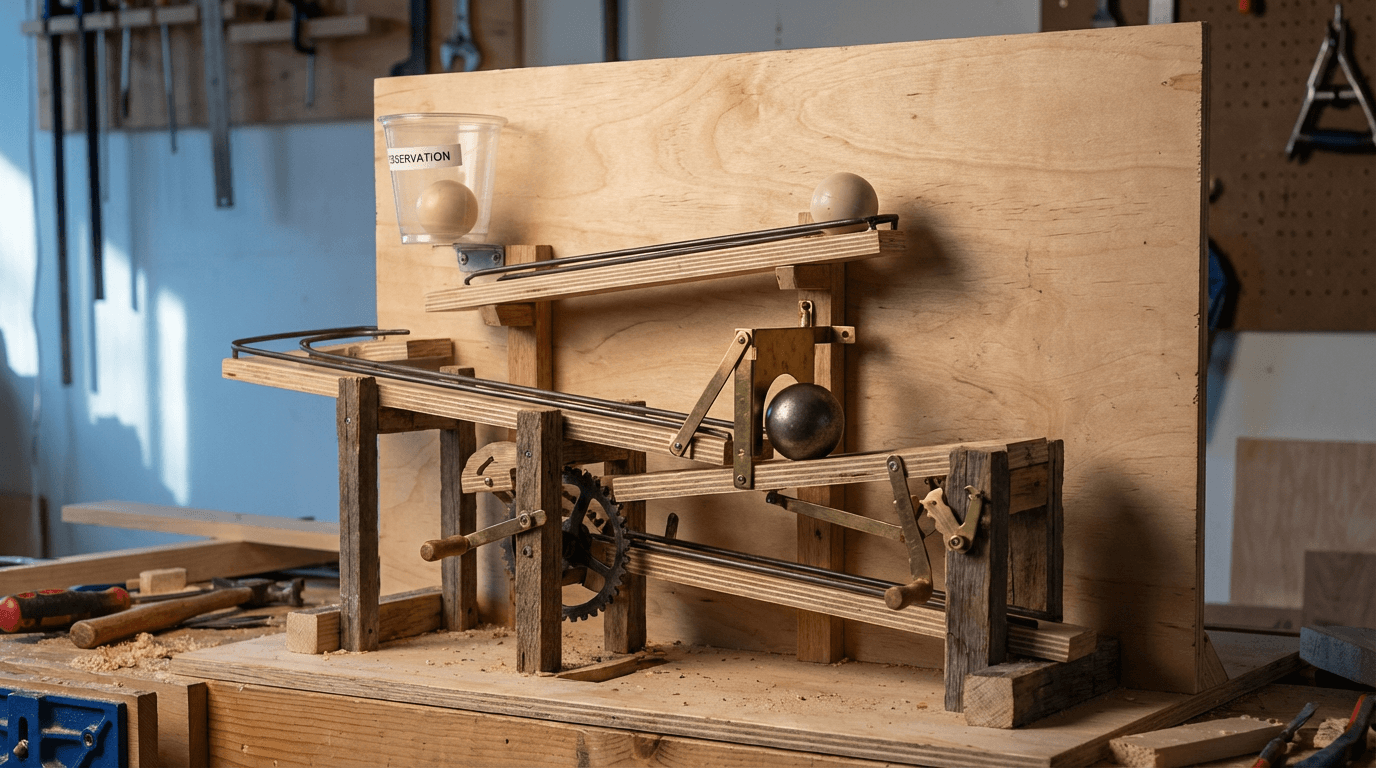
When to hold back
Baseline noise, known startup transients, training or override situations, and issues better handled by supervisor escalation first should not become CMMS promises. Visibility can remain; paperwork should wait until the operating story is clear.
Sequence the decision deliberately
Triage the alert against corroboration rules. Check for an open job that should be enriched rather than duplicated. Choose among watchlist, scheduled candidate, and interrupt paths. Log the decision so weekly review can tune routing instead of relitigating anecdotes.
Joint accountability with operations
Operations confirms whether the signal matches floor reality and whether urgency is production-constrained. Without that handshake, IoT becomes a ticket printer disconnected from output.
CMMS routing hygiene: auto-rules documented; duplicates merge into open jobs; watchlist items age and promote or expire; weekly planner review trims misfires with visible rationale.
What to decide this week without waiting for perfection
Pick three alert types that created the most CMMS noise last month. For each, write one sentence: watchlist, enrich existing job, or create new work order—and the corroboration rule that must pass. Post that routing note in the planner office and the maintenance shop. Simplicity beats a forty-row matrix nobody opens.
Review ten randomly sampled IoT-origin tickets with a technician in the room. Ask whether the job added value or duplicated work. Adjust routing rules based on what you learn, not on what the vendor assumed.
DBR77 IoT and disciplined CMMS ties
DBR77 IoT supports maintenance when alerts feed triage ladders and enrichment paths—not automatic ticket sprawl—so technician attention stays on high-confidence work.
Route IoT to work orders only when labor, plans, and evidence align. Let everything else teach before it promises.
Keep the article’s promise practical
Translate the ideas above into one habit your plant can sustain next month: a review that happens, a dictionary people open, a routing rule people trust, or a drill people run. Big programs stall when everything moves at once. Small loops compound when they repeat.
A leadership checkpoint for the next ops review
Ask one plain question: what changed on the floor this month because IoT made reality clearer—not louder? If the answer is vague, tighten scope, definitions, or review cadence before expanding footprint. Useful IoT shows up as calmer handovers, faster confirmation, and fewer circular arguments about what happened. Connection counts are inputs; behavior change is the receipt.
Bringing it home on the floor
None of this advice matters if it stays in a steering deck. The useful test is whether the next shift can act with less debate: clearer states, fewer mystery stops, faster confirmation, and escalation that respects attention. When IoT is working, the line feels less like a courtroom and more like a coordinated team—still loud, still busy, but oriented around the same facts.
If you walk the floor and people still describe the system as “the computer” instead of “our picture of the line,” keep tightening context, ownership, and review until the language changes. Language lag is a symptom that the loop is still too thin.
DBR77 IoT helps route machine alerts into CMMS with context, corroboration, and discipline—so work orders stay credible. Plan a pilot or See online demo.